

New 2026 Dandruff Research Challenges Viral Scalp Care Advice, Says Haircare Brand Hairetic
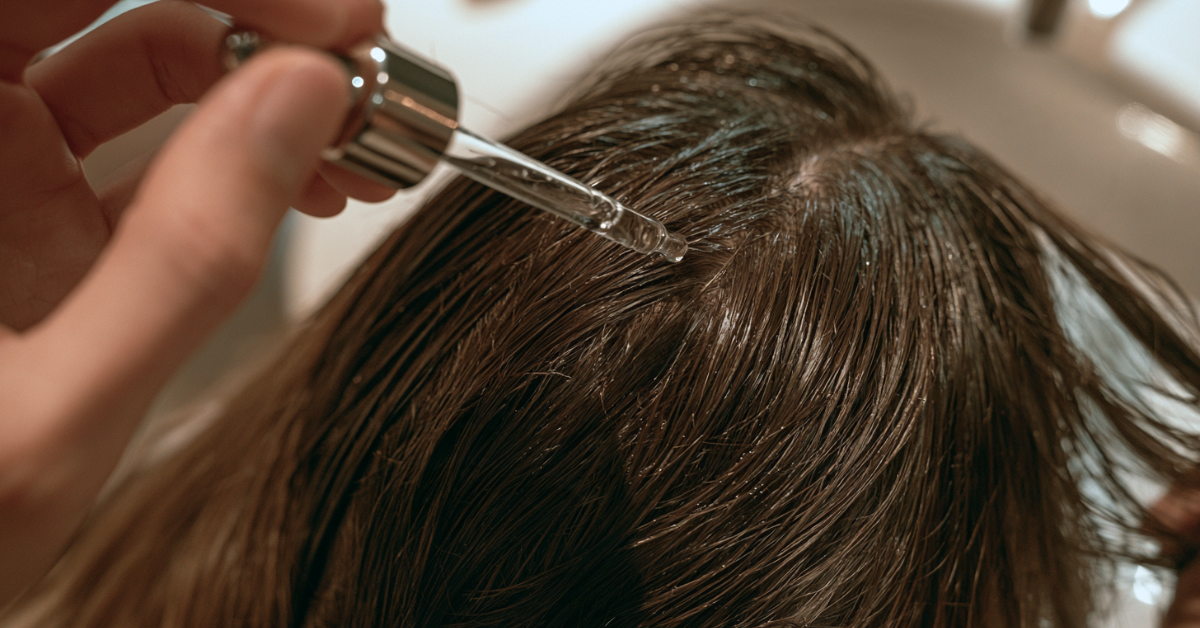
Not all hair treatments work for all scalps
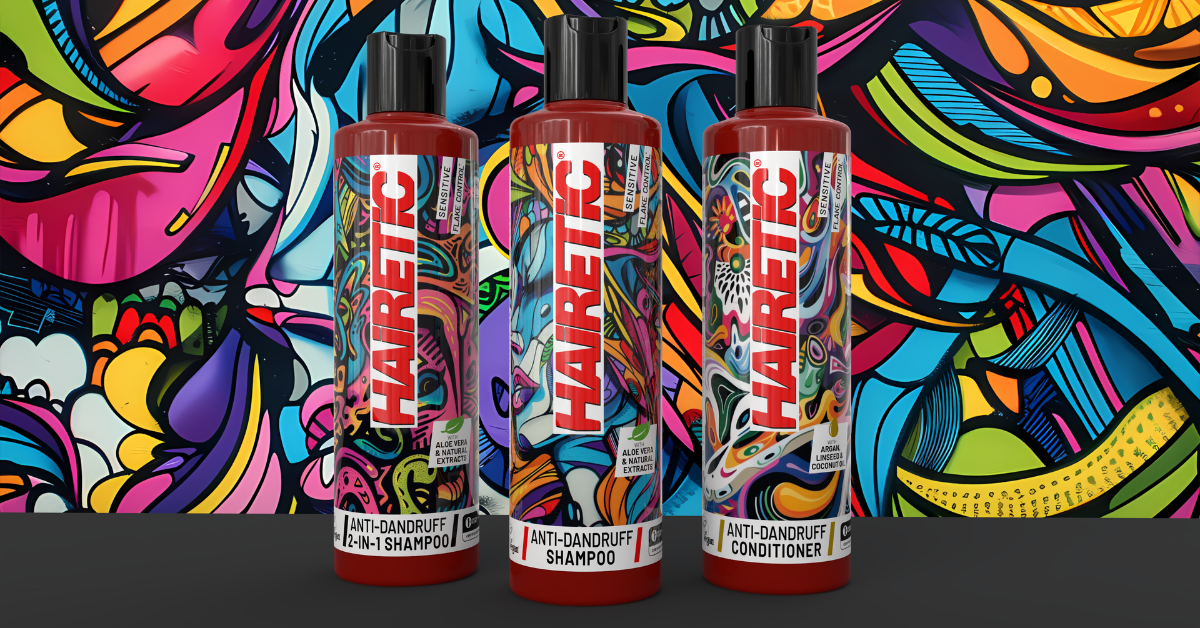
Hairetic anti-dandruff range designed for scalp balance

Andrew Rayner - Founder of Hairetic
Independent scalp-health brand Hairetic examines what new research could mean for five viral haircare trends, from scalp training to rosemary oil.
Research published in the International Journal of Cosmetic Science in July reported improvements in clinical signs of dandruff alongside changes in bacterial and fungal communities on the scalp following treatment with a piroctone olamine shampoo.
Further research published in the British Journal of Dermatology in September examined how microbial-targeted shampoo can affect scalp lipids.
Independent British scalp-health brand Hairetic says the findings are particularly relevant as interest in scalp care grows.
Google trends currently shows a 100% year-on-year increase in searches for “scalp care, while consumers are being exposed to increasingly complex scalp-care routines through social media, including scalp training, hair oiling, dry shampoo, scalp serums and physical exfoliation.
Andrew Rayner, founder of Hairetic, said:
“The problem isn't necessarily the trend. It's treating every scalp the same. Your scalp is an ecosystem, not a kitchen floor.”
Hairetic has identified five common assumptions surrounding viral scalp-care trends where the brand believes greater nuance is needed.
► Scalp training and washing frequency
“Scalp training” encourages people to gradually wash their hair less frequently in the belief their scalp will adapt by producing less oil.
However, there is little evidence that sebaceous glands can be “trained” in this way. For people prone to dandruff, seborrhoeic dermatitis or oily scalps, reducing washing frequency may also be counterproductive.
The NHS stresses that dandruff isn't caused by poor hygiene, although flakes can become more noticeable when hair isn't washed regularly.
Rayner said:
“There isn't a universal correct number of times to wash your hair. Hair texture, scalp oiliness, styling and skin conditions all matter.
“If you've reduced washing because social media told you to ‘train’ your scalp and you're experiencing more itching, oiliness or flakes, listen to your scalp rather than the trend.”
► Flaky scalps and hair oils
Visible flaking is commonly associated with dryness, contributing to the popularity of scalp oiling and rosemary oil on social media.
However, dandruff and dry scalp are not necessarily the same thing.
Malassezia, a microorganism associated with dandruff and seborrhoeic dermatitis, is lipid-dependent. Research examining hair oils and seborrhoeic dermatitis has highlighted laboratory evidence of Malassezia growth in the presence of several oils, although clinical trials directly examining hair oils and seborrhoeic dermatitis are lacking.
Hairetic itself uses rosemary leaf extract rather than rosemary oil, allowing rosemary-derived components to be incorporated into its formulation without using rosemary as a carrier oil on the scalp.
Rayner said:
“We're certainly not saying rosemary is bad for your scalp. We use rosemary extract ourselves.
“The myth is that flakes automatically mean dryness, and dryness automatically means you need more oil. Dandruff is more complicated than that.”
► Dry shampoo and scalp cleansing
Dry shampoo can refresh hair and absorb excess oil, but it does not replace conventional scalp cleansing.
The American Academy of Dermatology explains that dry shampoo absorbs oil rather than cleaning hair and recommends continuing to wash with conventional shampoo and water.
Rayner said:
“Dry shampoo can make your hair look clean. That's different from cleaning your scalp.
“That doesn't make dry shampoo bad. Use it for what it's brilliant at, refreshing hair between washes, rather than treating it as a permanent replacement for shampoo and water.”
► Scalp exfoliation and visible flakes
Scalp exfoliation has become a significant haircare trend, with Boots UK reporting searches for “scalp exfoliation” up 27% year-on-year.
However, seeing flakes and immediately reaching for a physical scrub risks confusing the visible symptom with the underlying problem.
Hairetic uses willow bark extract as part of its approach to helping lift and remove dead surface skin, rather than relying on aggressive physical scrubbing.
Rayner said:
“There's a difference between helping dead skin to lift away and attacking your scalp with a scrub because you can see flakes.
“Removing the flakes you can see doesn't necessarily address why your scalp produced them in the first place. Your scalp shouldn't need to feel scrubbed raw to feel clean.”
► Aggressive cleansing and dandruff
At the other extreme is the assumption that dandruff means the scalp requires increasingly aggressive cleansing.
The July 2026 piroctone olamine study reported improvements in itching, flaking and redness alongside changes in the scalp microbiome.
September's British Journal of Dermatology research also examined the relationship between microbial-targeted dandruff treatment and changes in scalp lipids.
Rayner said:
“This is where scalp science is becoming really interesting.
“We're moving beyond the idea that dandruff is simply something you need to strip away. The scalp has microorganisms, oils and a skin barrier, and increasingly we're looking at how that whole environment interacts.
“Your face wouldn't be considered healthier simply because you'd stripped every trace of oil from it. We're beginning to apply some of that same sophistication to the scalp.”
HAIRETIC CALLS FOR A MORE INDIVIDUAL APPROACH TO SCALP CARE
Hairetic says the findings and wider scientific understanding of scalp health should not be interpreted as an instruction for consumers to abandon hair oils, serums, exfoliators or dry shampoo.
A genuinely dry scalp does not necessarily require the same routine as a dandruff-prone scalp. Hair texture, oiliness, styling habits, washing frequency and skin conditions can all affect individual scalp needs.
Rayner said:
“Social media is fantastic at discovering products and starting conversations about hair. What it's less good at is nuance.
“None of these trends are inherently wrong, but not everyone's scalp is the same.
“The myth is that because something is viral, natural or works brilliantly for somebody else's hair, it must also be right for your scalp.
“Good scalp care starts with understanding the problem you're actually trying to solve.”
ANDREW RAYNER
Hairetic Ltd
hq@hairetic.com
Visit us on social media:
LinkedIn
Instagram
Facebook
TikTok
Legal Disclaimer:
EIN Presswire provides this news content "as is" without warranty of any kind. We do not accept any responsibility or liability for the accuracy, content, images, videos, licenses, completeness, legality, or reliability of the information contained in this article. If you have any complaints or copyright issues related to this article, kindly contact the author above.
